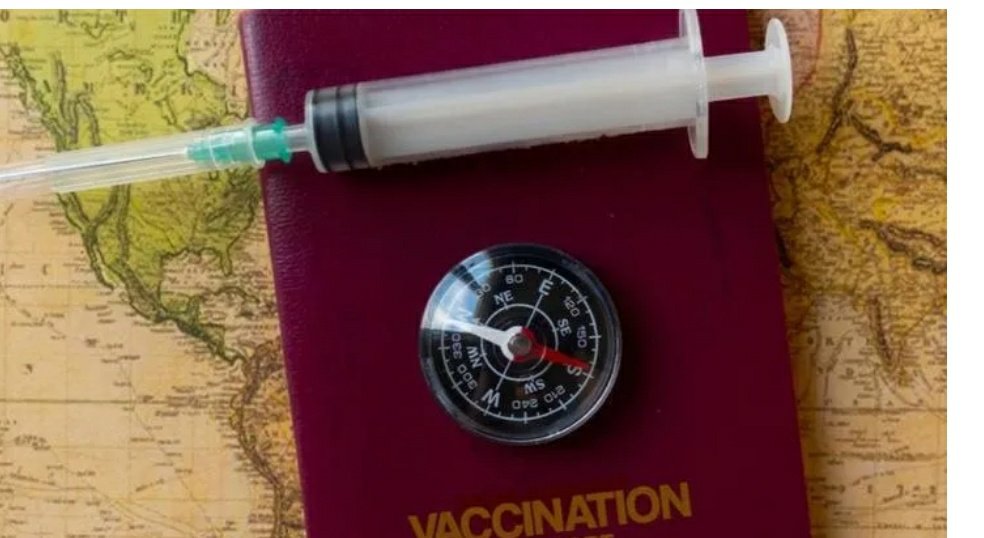
With international travel becoming more difficult, many institutions and companies are now insisting upon proof of complete vaccination before joining. In such a scenario, a vaccine passport might become important for those who wish to travel abroad. Considering the current Covid-19 scenario in India, international travel from the country is banned until June 30, 2021. In such a situation, can you get a vaccine passport in India’ Read along to know more details about what is a vaccine passport.
Can you get vaccine passport in India’ In India, when an individual is vaccinated, they receive a document by the Ministry of Health and Family Welfare, which is titled Provisional Certificate for Covid-19 Vaccination. When travelling within the country, an individual can use this certificate as proof of vaccination combined with a recent negative test report. Other than that, there are Covid-19 tracker applications such as Aarogya Setu, which keep Covid related details about an individual in one place.
However, as foreign universities and institutions are demanding complete vaccination of international students and employees, the need for linking vaccination with a passport has increased in India. To address the issue, the Union Ministry of Health and Family Welfare has issued updated guidelines, which talks about issuing a separate certificate of vaccination with the passport number mentioned on it for three exceptional cases.
What is a vaccine passport?
A vaccine passport is proof of vaccination or negative testing against an infection. Vaccine passport exists in both physical as well as digital certificate forms. Just like other documents such as a driving license or boarding pass, one can carry the vaccine passport to offices, other formal places, to a public place such as a movie hall, or while travelling. It is a system being established to ensure that people who are not vaccinated or who tested positive do not come in the vicinity of other people at any possible point of contact.
The concept is very similar to a medical passport, which is issued by WHO and acts as proof that an individual has been vaccinated against diseases such as cholera or yellow fever. This system has been in practice for years. At its core, the vaccine passport system is aimed at facilitating both national as well as international travel and easy relocation, which would eventually boost the economy.
Surprisingly, alcohol too has several health-related benefits. No, we aren’t kidding! Don’t believe us? Well, scroll down for more details.
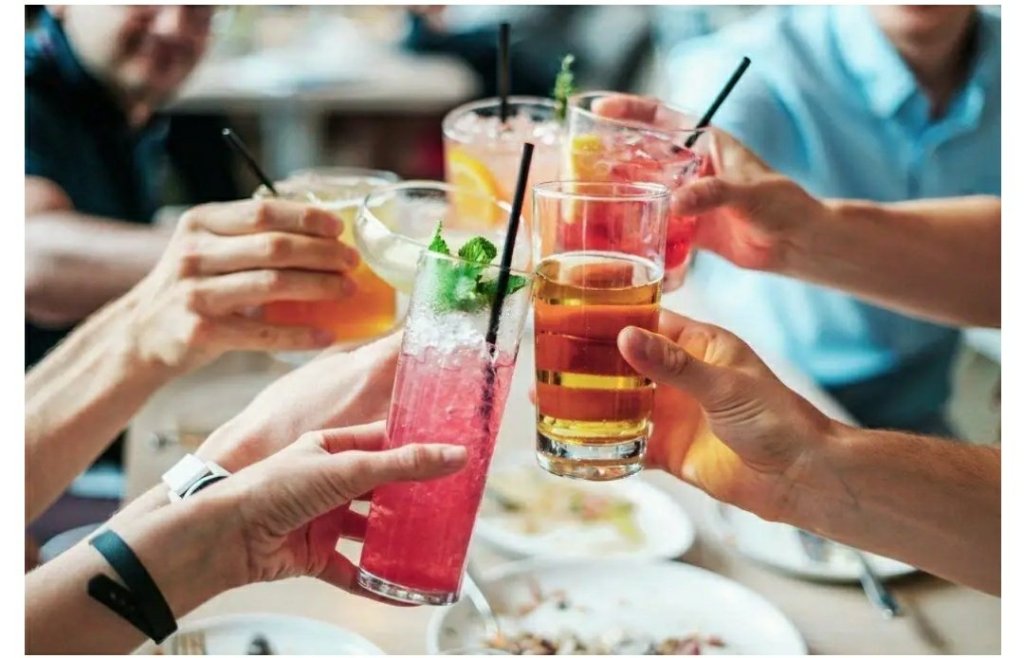
Since time immemorial, we have been told that drinking alcohol is bad for our health and in fact, it damages one’s liver and leads to several health issues. However, what if tell you alcohol can be beneficial for you in many ways?
Well, don’t jump to any conclusion yet! And before you go ahead and start opening that liquor bottle right away after reading the headline, please know that it has certain health benefits only if consumed in moderation.
According to mayoclinic, moderate alcohol use includes one drink a day for women and up to two drinks a day for men. One drink can include 12 ounces of beer (355 ml), 5 ounces of wine (148 ml ) or 1.5 ounces of liquor (44.3 ml).
Please note that if you continue to drink after the recommended amount, the benefits start lowering and the risks start increasing.
Unbelievable! Alcohol Can Actually be Good For Your Health
Reduces the risk of heart failure
Importantly, if you are addicted to alcohol and indulge in binge drinking, it can lead to serious heart problems. However, moderate drinking can reduce the risk of heart failure. Experts believe that drinking in moderate amount can reduce the chances of having a heart attack, stroke, or hardened arteries by 25% to 40%. Well, this could be due to the fact that small amounts of alcohol can increase high-density lipoproteins cholesterol levels (HDL) which is good for the body.
Increases life expectancy
Many research has shown that drinking moderately can increase one’s life span and helps one live longer. According to a 2018 study published in the journal PLOS Medicine, people who drink in moderation are less likely to die young than those who abstain from alcohol entirely. In fact, it was found out that drinking moderately throughout the week was better than binge drinking and showed a 25% reduced risk of mortality.
Good for your mental health
Mental health is as important as the physical health. Apart from the physical benefits, there are some psychological benefits of moderate drinking as well. It was found that people who drink moderately are happier and carefree. Can’t agree more!
It prevents kidney stones
This is one of the widely known facts of drinking. It is true that people who drink regularly but moderately are at a lowered risk of getting kidney stones. You ask why? Well, it is because alcohol makes us pee more often, therefore keeping our kidneys clear of any crystals that later on form stones. It is important to note that drinking excessively can lead to dehydration that increases the risk of kidney stones. So, moderate drinking is the key.
What is Binge Drinking?
Binge drinking, according to a report in Mayoclinic, is defined as four or more drinks within two hours for women and five or more drinks within two hours for men.
When NOT to Drink Alcohol?
In certain circumstances, the risks of drinking alcohol may outweigh its possible health benefits. For example, mayoclinic recommends to check with your doctor about drinking if:
You’re pregnant or trying to become pregnant You’ve been diagnosed with alcoholism or alcohol addiction, or you have a strong family history of alcoholism You’ve had a hemorrhagic stroke (when a blood vessel in your brain leaks or ruptures) You have liver or pancreatic disease You have heart failure or you’ve been told you have a weak heart You take prescription or over-the-counter medications that can interact with alcohol Disclaimer: This content is created and published for informational purposes only. It is not intended to be a substitute for professional medical advice and should not be relied on as health or personal advice. Always seek the guidance of your doctor or other qualified health professional with any questions you may have regarding your health or a medical condition.
Friendship Day 2021 Date: Friendship is the most valuable thing in life and to mark the importance of this beautiful relationship, Friendship Day is celebrated on the first Sunday of the month of August.
This much-awaited occasion will be celebrated on August 1 in India this year. Friendship Day is celebrated in several countries around the world. It is a day to celebrate the role close friends play in our lives, and how they shape us as people.
Friendships Day is also celebrated very actively on social networking sites these days. Friends wish each other or share heartfelt posts or stories about one another. Some people even celebrate this day with their parents or life partner.
This Friendship Day, make sure you wish all your close friends and make them feel special!
Sustainability has become a buzzword in the last two years. Whether it is fashion or lifestyle, people have realised the need to live closer to nature and, in the process, reap numerous health benefits. Realising the potential of the same, some entrepreneurs mixed sustainability with innovation and revolutionised the way not only how people eat, but also how they cook.
With the government’s push towards Make in India and the global impetus towards innovation with low carbon footprint, young Indian entreprenuers in the kitchen appliance space are innovating and how.
While established brands have always been coming up with new kitchen appliance categories, the start-up space seems to be making a difference. Indianexpress.com reached out to some to understand their thought process, and how the market has been responding to them.
Aufla Electric Cooker, touted to be the only manufacturer in India, recently won the 2020 Global Leap Award for Best Energy Performance Category funded by UK Aid and supported by Next Program. The competition identified 13 best-in-class, affordable, energy-efficient electric pressure cookers that are appropriate for use in underserved markets, including weak-grid areas where grid connections are intermittent and of inconsistent quality, as well as areas where energy comes from small-scale solar systems or mini-grids. Yash Santosh Parmar, the brain behind the innovation subsequently received a grant of $50,000 from UK Aid.
sustainable living, kitchen cookware, traditional cookware, aufla electric cooker, green heirloom cast iron, indianexpress.com, kitchen appliances environment friendly, indianexpress, Here are some enterprises offering India-made kitchen cookware which are sustainable too. (Source: Getty Images/Thinkstock)
Sustainability has become a buzzword in the last two years. Whether it is fashion or lifestyle, people have realised the need to live closer to nature and, in the process, reap numerous health benefits. Realising the potential of the same, some entrepreneurs mixed sustainability with innovation and revolutionised the way not only how people eat, but also how they cook.
With the government’s push towards Make in India and the global impetus towards innovation with low carbon footprint, young Indian entreprenuers in the kitchen appliance space are innovating and how.
While established brands have always been coming up with new kitchen appliance categories, the start-up space seems to be making a difference. Indianexpress.com reached out to some to understand their thought process, and how the market has been responding to them.
Aufla Electric Cooker, touted to be the only manufacturer in India, recently won the 2020 Global Leap Award for Best Energy Performance Category funded by UK Aid and supported by Next Program. The competition identified 13 best-in-class, affordable, energy-efficient electric pressure cookers that are appropriate for use in underserved markets, including weak-grid areas where grid connections are intermittent and of inconsistent quality, as well as areas where energy comes from small-scale solar systems or mini-grids. Yash Santosh Parmar, the brain behind the innovation subsequently received a grant of $50,000 from UK Aid.
sustainable living, kitchen cookware, traditional cookware, aufla electric cooker, green heirloom cast iron, indianexpress.com, kitchen appliances environment friendly, indianexpress, Yash Parmar (Source: Yash Parmar) In keeping with the essence of the Make in India initiative that focuses on creation, advanced manufacturing, raw materials and technologies to produce products within the country that have no adverse environmental consequences, the electric cooker promises electricity consumption of just 0.01 unit a day for three hours of cooking.
“If we don’t save the last leftover fossil fuel, then our future generations will not even get to see it or rather at that time, it will be sold at gold’s rate. Because of burning of fossil fuels, there are so many health problems people are facing. So, switching to electricity (sans fossil fuels) is the best option as India is fast growing and our Prime Minister is even electrifying many villages every year. We need to switch to electricity so that fossil fuels will be saved,”
The outer body of the cooker is 0.6mm in thickness, something not available in the market at present. The pressure cooker, at present, offers a maximum of 0.4 mm thickness. This particular cooker also has a SS Triply Base Inner Pot, with a double pressure switch control. “One can make various Indian food items according to Indian taste. The wires used inside the cooker are fireproof,” said Yash, who claims that in the past two years, there “has not been a single faulty piece returned or a complaint from any customer”. The product’s variants are available in the price range of Rs 4,000-Rs 6,000 on its website.
Zero Defect Zero Effect’ has been the Government of India’s Make in India slogan which was coined by Prime Minister Narendra Modi.
Not just sustainability, Yash said doing something different also meant trying to address the gender equation in households. “As I gathered the data during my research phase, I found out that because of cooker blasts, every day there are so many women who are losing their lives. So, I wanted to make cooking safer, and easier for everyone. Even men can cook easily too,” he shared There are many other similar initiatives. Few of them are clay cooker-producing start-up OrgoLove, or Agnisumukh’s ceramic stoves that reduce fuel consumption by 70 per cent.
Actuarial analyst-turned-entreprenuer Kaviya Cherian from Kerala’s Kochi launched Green Heirloom, a traditional cookware business, after experiencing the difference in taste and aroma of the food which is made in it. “While I was working as an actuarial analyst in Mumbai, my work wasn’t fulfilling and I knew I had to do something on my own. So I quit my job and came back home to Kerala. When I came back my grandmother was going to undergo cataract surgery so I went and stayed with her to help her out. While I was helping her out I could see a drastic difference between the cookware we use at home and the cookware my grandmother uses. If I were to buy a cookware I would go to a big supermarket where the only options I saw available were non-stick pans or hard-anodised aluminum cookware. That’s what prompted me to start Green Heirloom,” she mentioned.
She explains that the feedback has been positive, especially now that many people are waking up to the benefits of cooking in traditional cookware.
The platform established in August 2020 retails traditional cookware made out of clay, cast iron, stoneware and bronze/kansa items on its website by the same name. One can find tawa, kadai, skillet, appam pans, mortar pestle, among others. The price point ranges from Rs 450 for a terracotta clay curd setter to Rs 5,900 for the bronze vessels. While the life of a non-stick pan is only 4-6 years and one needs to discard the pan causing pollution, traditional cookware lasts a lifetime.
While there is no compromise with dental and oral hygiene, there are many people who take it for granted — brushing their teeth only once a day, or sometimes not even that, and not visiting the dentist periodically. These are big health no-nos.
It is said that people whose inner cheek, teeth and gums are in poor condition, may be more susceptible to mouth and throat cancers.
According to Dr Hitesh R Singhavi, consultant, head and neck surgeon at Fortis Hospital Mulund, oral cancer is one the most common cancers in India among men (11.28 per cent of all cancers), and the fifth most frequently occurring cancer among women (4.3 per cent of all cancers).
“Tobacco chewing, areca nut, alcohol consumption, and poor oral hygiene (POH) may have contributory effects. Most times, we associate poor oral hygiene with dental caries, gingivitis, periodontitis (gum disease) and foul smell, but poor oral hygiene in the long run can cause fatal diseases including cancer,” he says.
The factors
Dr Singhavi says there are numerous common factors leading to poor oral hygiene, including tobacco chewing, alcohol, areca nut chewing, infrequent dental visits, immunocompromised status, low socio-economic status and lower level of education.
How does it cause cancer?
“POH aids the carcinogenic potential of other known carcinogens, like tobacco and alcohol. It causes easy conversion of tobacco metabolite into cancer-causing products (nitrosamines). POH also reacts with alcohol to form aldehyde — a class I carcinogen (products which can independently cause cancer),” he says.
The importance of oral hygiene
One should not consume tobacco or tobacco products, which can cause gingival recession (loss of gums), leading to loosening of teeth and formation of precancerous lesions. Similarly, avoiding alcohol consumption may help maintain good oral hygiene, as evidence shows an alcohol drinker has higher chances of foul-smelling mouth, more tar burdened teeth, and greater possibility of bleeding gums, the doctor explains.
Can a sharp tooth or ill-fit denture cause oral cancer?
“Yes. Chronic mucosal trauma due to sharp teeth or ill-fitting dentures can cause oral cancer. A study conducted by Tata Memorial Centre concluded that chronic mucosa trauma has higher chances of development of oral cancer, and it is not an uncommon finding in non-habitual patients, especially tongue cancers.
There are studies which have shown that maintaining good hygiene reduces the chances of oral cancer by 200 per cent, the doctor concludes.
With the pandemic going on, seasonal illnesses are likely to strike harder. Monsoon is particularly a time when people take ill, given the rise in humidity, change in temperature, more mosquito breeding, etc.
As such, it is a time when mothers-to-be have to exercise caution. Not only are they responsible for their health, but they are also responsible for the health of their baby.
Dr Rubina Shanawaz Z, senior consultant, obstetrics and uro gynaecology at Fortis La Femme Hospital, Richmond Road, Bengaluru suggests five pointers for how they can take care of their health in the monsoon season.
1. Vaccinate yourself
Now that the government has approved Covid-19 vaccines for pregnant women, please go ahead and discuss with your gynaecologist about your vaccination. It definitely helps in protecting both you and your baby in these troubled times.
2. Hydrate yourself
The usual thirst mechanism doesn’t set in, in this gloomy weather. This is why you have to pay extra attention to make sure you take enough fluids. Ideally 2.5 litres in 24 hours is recommended. This could be as water or hot tea/hot chocolate/hot soup. This will not only help with headaches and throat dryness, but will also maintain water around your baby adequately.
3. Vitamin C rich, well-cooked food
Vitamin C is essential for immunity, especially when it comes to prevention of upper respiratory tract infections. Load up on citric fruits and juices. The chance of food contamination is generally high with all the slush around. So make sure your food source is hygienic and all the raw produce is washed thoroughly before cooking.
4. Physical activity
Don’t miss out on your daily walks and antenatal exercises during these times. Make sure you wear appropriate anti-skid footwear and try as much as possible to walk in dry areas or in the safety of your home.
5. SMS
Covid is still lurking. So the most important step is SMS: – Sanitise your hands with soap and warm water before every meal. – Mask up, covering both your nose and mouth in the presence of anyone apart from family members. – Socially-distance by keeping six feet from anyone.
Awoman was allegedly attacked with acid and hot oil by her husband in Haryana’s Faridabad.
The incident took place in Faridabad’s Harkesh Nagar. The victim is now undergoing treatment at the Safdarjung hospital in Delhi.
She is in critical condition and 35 per cent of her face has been burnt, doctors at the hospital said.
Delhi Commission for Women chief Swati Maliwal and her team on Friday visited the hospital to meet the victim. Maliwal was informed about the incident by the victim’s neighbour.
The victim’s son told the DCW team that his father used to frequently abuse his mother. He said his mother was brutally thrashed by his father previously as well.
The DCW has informed Haryana Police about the matter and is providing legal assistance to the survivor.
Reacting to the incident, Maliwal said, “This is the third day in a row that I am meeting an acid attack victim in a hospital. This woman was attacked by her own husband and as a result she has got severely injured. I met her in the hospital and am severely disturbed after looking at her condition. It seems no one is afraid of the law.”
The Delhi Police has arrested a man for allegedly killing his wife who had earlier accused him of rape. The man was earlier accused of rape by the deceased woman and was sent to jail.
The man has been identified as Rajesh from Delhi. In December last year, he married the woman after he was released from jail, the Hindustan Times reported.
In June last year, the woman had complained that Rajesh had raped her after promising to marry her. Based on her complaint a case was registered and he was arrested in August. However, he was released from the Tihar jail in October after the woman withdrew her complaint saying she wanted to marry him. Following his release, the two got married in December, the NDTV reported.
The woman’s family has alleged that Rajesh used to torture her and frequently picked up fights with her. The woman had returned to her family, but Rajesh convinced her to return. He took her to his village in Uttarakhand’s Udham Singh Nagar district on June 11 on the pretext of checking on his mother. The woman’s family said since then her phone was off.
The police used her phone records to trace her location. The last location was found to be near Hanumangarh temple in Nainital on June 12. Her husband’s location was also the same.
Police said initially Rajesh denied any involvement in the crime, but later admitted to it. Police said he cited “harassment” by the victim and her mother as the reason behind the crime.
“About 13 km from Nainital, he expressed his desire to have a physical relationship with his wife at a secluded place. He took her to a cave. After having sex, he strangled his wife,” the police said as quoted by the Hindustan Times.
“A case has been registered against him under IPC sections 302 (murder) and 201 (causing disappearance of evidence),” police said.
Eight people in Kallurani village in Tenkasi tehsil of Tamil Nadu have been arrested for allegedly exhuming and consuming human flesh during a temple festival at Sakthi Pothi Sudalai Madasamy Temple on Saturday. The men reportedly belong to the ‘Samiyadi’ community.
In a video captured during the annual event, one Samiyadi (god-man) was seen entering a trance, dancing and holding a human skull on a sword. A few other Samiyadis were caught on camera trying to bite the remaining tissue on the skull.
After the village administrative officer filed a complaint, the accused were detained for questioning. When the police asked them about allegedly having exhumed and consumed human remains, they said they were not aware of the human remains and did not know what they were doing since they were in a trance.
The police have registered a case and questioned 14 people. “A case under Section 297 of the Indian Penal Code, that is trespassing in burial grounds, has been registered. They also violated social distancing norms,” said Tenkasi Superintendent of Police Krishnaraj.
The police are now trying to find out from where and how the human remains ended up at the temple festival.
A man was arrested in Rajasthan’s Alwar for allegedly raping his 12-year-old stepdaughter and attempting to rape another minor stepdaughter. The police have filed a chargesheet in court.
The police in Rajasthan’s Alwar have arrested a man for allegedly raping his 12-year-old stepdaughter and attempting to rape another minor stepdaughter.
According to the police, the father of the two girls had died due to cancer following which their mother was in a livein relationship with the accused. The mother married the accused three years ago.
However, when the woman got to know that her husband was molesting her daughters, aged 12 and 8, she sent the girls to her brotherinlaw’s house. The girls were later shifted to a shelter home for females.
At the shelter home, the girls disclosed the matter to the staff. The staff reported the case to the police which acted swiftly in the matter.
The police arrested the accused within 24 hours and produced a chargesheet in court within three days, that is, on Tuesday.
“One team was engaged in finding the stepfather. The second team got engaged in getting the medical tests done of the victim sisters and in getting statements under 164 CrPC and in accumulating the evidence,” said Alwar SP Tejaswini Gautam.








 New media